




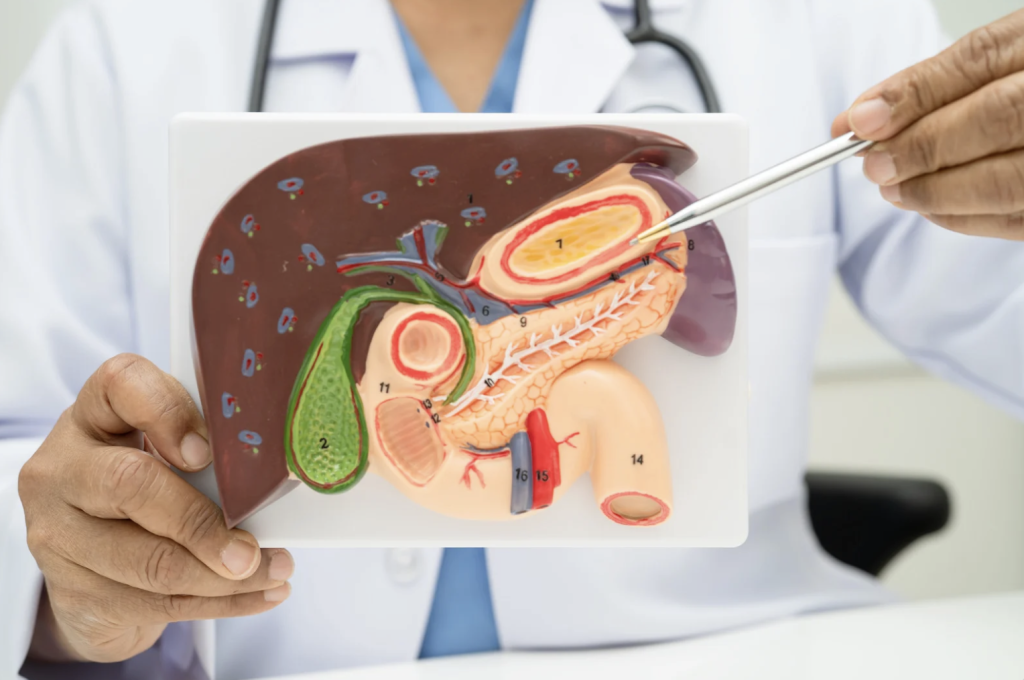
Some people lose their spleen after a car accident, sports injury, surgery, or illness. Afterward, many ask a simple question: What does the spleen actually do?
At Allergy Doctor Dallas, patients often ask this after learning they no longer have one (asplenia). Understanding the spleen can help you protect your health and respond quickly to infections.
Let’s walk through it in simple terms.
What Does the Spleen Do?
The spleen is an important part of your immune system.
It is also the largest lymphatic organ in the body.
One key job of the spleen is to filter bacteria from your blood. When harmful germs enter the bloodstream, the spleen helps remove them before they spread.
The spleen also helps the body recognize certain bacteria and respond to infection.
Without a spleen, the body can still function. However, the immune system may have a harder time clearing some infections.
Why Infections Can Be More Serious With Asplenia
People who do not have a spleen are called asplenic.
Without the spleen’s filtering action, bacteria can spread through the bloodstream more quickly.
Because of this, infections can become serious faster than they might in other people.
Doctors often advise people without a spleen to seek medical care sooner when symptoms of infection appear.
This early response can help reduce the risk of complications.
Signs of Infection to Take Seriously
If you do not have a spleen, it is important to watch for symptoms of infection.
Call your doctor if you notice:
- Fever
- Chills
- Sudden illness
- Unexplained fatigue
- Rapid worsening of symptoms
Even mild symptoms can sometimes progress quickly.
Your healthcare provider may decide to evaluate you or start treatment while they determine the cause.
Antibiotics May Be Recommended in Certain Situations
Doctors sometimes recommend preventive antibiotics for people without a spleen during higher-risk situations.
These may include:
- Surgical procedures
- Dental procedures
- Certain invasive medical procedures
Doctors may also evaluate the need for antibiotics after:
- Dog bites
- Tick bites
- Other animal bites
These exposures can introduce bacteria into the body.
Your healthcare provider will guide you based on your health history and the situation.
Why Certain Bacteria Are a Concern
Some bacteria carry a protective outer coating called a capsule.
These bacteria can be harder for the immune system to detect and remove.
Examples include:
- Streptococcus
- Pneumococcus
- Haemophilus influenzae
- Meningococcus
Because these bacteria can cause serious infections, doctors often recommend preventive steps for people without a spleen.
Vaccines Can Help Support Protection
Vaccines help the immune system recognize specific bacteria before exposure.
For people without a spleen, doctors often recommend vaccines that target the bacteria mentioned above.
These may include vaccines for:
- Pneumococcus
- Meningococcus
- Haemophilus influenzae type B (Hib)
Annual influenza (flu) vaccination is also important.
After the flu, some people develop secondary bacterial infections caused by the same organisms listed above.
Vaccination can help support the body’s ability to respond.
Working With Your Doctor
If you do not have a spleen, it helps to review your vaccination history with your doctor.
Your provider may recommend vaccines such as:
- Pneumococcal vaccination
- Meningococcal vaccination
- Haemophilus influenzae type B vaccination
- Annual flu vaccination
Some vaccines may require more than one dose or booster over time.
Your doctor can review what you have already received and discuss what may be appropriate based on current medical guidance.
Supporting Your Health After Splenectomy
Living without a spleen requires extra awareness, but many people live full and healthy lives.
Helpful steps may include:
- Staying up to date on recommended vaccines
- Seeking care early when fever appears
- Following your doctor’s guidance before procedures
- Monitoring symptoms after bites or infections
At Allergy Doctor Dallas, our team focuses on patient education and immune health. Understanding how your immune system works can help you make informed decisions about your care.
